
AKIPRESS.COM - Deputy Prime Minister and Chairman of the State Emergency Commission S. Amarsaikhan briefed on the wintering condition, highlighting measures taken by the Commission and his recent visit to Arkhangai and Zavkhan provinces at the today's Cabinet meeting, Montsame reports.
81% of Mongolia's territory is currently covered with snow, the National Agency for Meteorology and Environmental Monitoring said. The winter and spring conditions for 2023-2024 are expected to deteriorate further due to the intensification of cold temperatures, heavy snowfall, strong snowstorms, and the formation of ice resulting from snow melting. 40 districts in 11 provinces are experiencing white dzud, while 48 districts in 12 provinces are at a moderate risk of dzud as of December 10.
Four dangerous and catastrophic weather events occurred across the entire territory of Mongolia between November 1 and December 8. After a heavy snowfall, the whole region experienced a fluctuation in temperatures, transitioning from warmth to cold. This temperature shift led to the melting of the snow surface, resulting in the formation of an ice cover that now blankets the pastures.
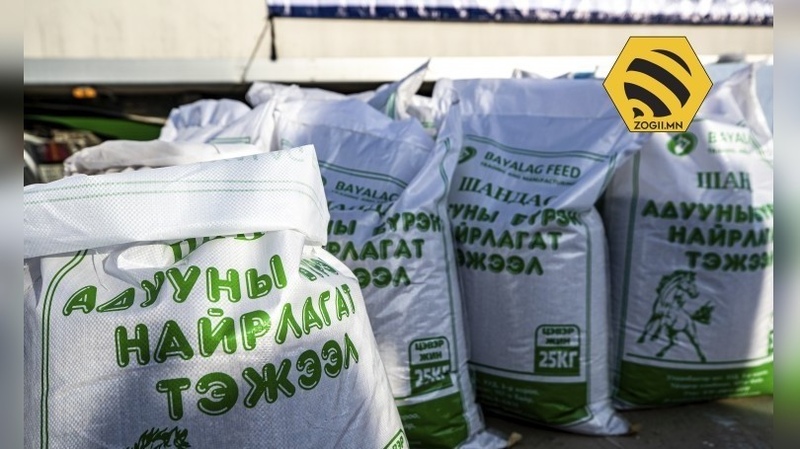
The suspension of livestock fodder exports, initially set until March 1, 2024, has been extended to the end of 2024. In response to worsening conditions and an increase in pastoral movement, Minister of Food, Agriculture, and Light Industry Kh. Bolorchuluun, Minister of Environment and Tourism B. Bat-Erdene, and governors of provinces and districts were tasked to implement risk reduction measures, including ending the practice of driving out herdsmen on the move and establishing regulatory frameworks for resource-based pastoral movement.